9+ curated guides • Updated November 2025
You typed 'fashion accessories store near me' hoping for inspiration, but instead, you got a map of the same mall stores you've seen a thousand times. What if your next great find—a handcrafted necklace or a one-of-a-kind scarf—is waiting in a small, charming boutique just around the corner, a place that Google Maps might have missed? That search bar, for all its power, often serves up the expected, the mass-produced, and the predictable. It points you to the highways of retail, completely ignoring the scenic backroads where true style and craftsmanship reside. This guide is your new map. We're bypassing the algorithm to embark on a curated tour of your own community, uncovering the artisan studios and independent shops that hold the key to a truly personal style. It's time to shop with intention and discover the stories woven into the very fabric and metal of your next favorite piece.
The search for 'celebrities with herpes' is a modern-day witch hunt, but the real story isn't who has a common virus. The real story is how the accusation alone has become a devastating tool for public shaming, capable of derailing careers and defining legacies in a way the actual health condition never could. This isn't a medical issue; it's a media one. In the ecosystem of celebrity takedowns, the herpes accusation has been refined into a uniquely cruel and effective narrative weapon. It operates on a simple, brutal principle: the charge is the conviction. By leveraging deep-seated cultural anxieties about purity, sex, and deceit, accusers and the media outlets that amplify them can inflict irreversible reputational damage before a single fact is established. We're not just watching a legal battle; we're witnessing a masterclass in the weaponization of public health stigma.
Forget what you think you know about past trends. The jewellery fashion of 2022 wasn't just a collection of fleeting fads; it was a dress rehearsal for the world we live in now. Look closer, and you'll see those seemingly random styles were actually precise clues, predicting the socio-economic shifts and aesthetic obsessions that define our current style landscape. That year, our jewellery boxes became a battleground of ideas. On one side, the jubilant, almost childlike explosion of colourful beads and Y2K-inspired charms. On the other, the stoic, weighty presence of chunky gold chains and timeless pearls. These weren't opposing forces; they were two distinct prophecies foretelling the dual consciousness of today's culture: a desperate search for uninhibited joy and a simultaneous retreat into the safety of tangible, lasting value. In this article, we'll dissect these clues and reveal how the jewellery we wore then laid the complete groundwork for the style narratives we live by today.
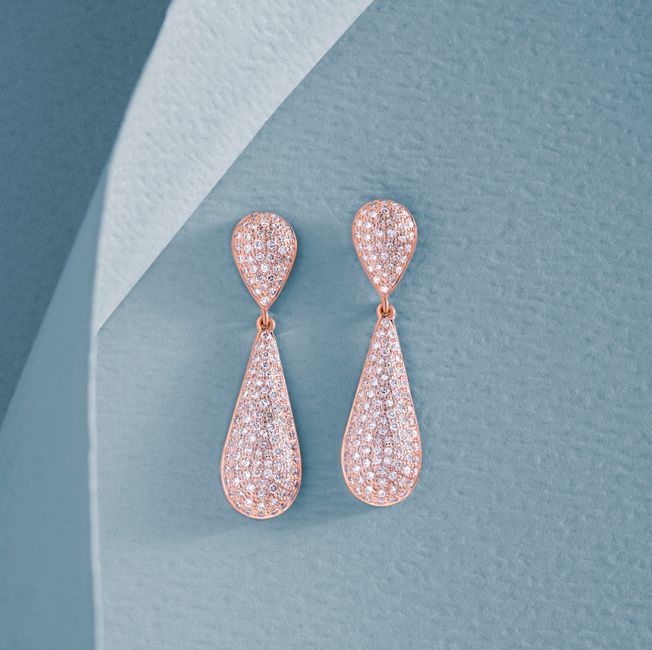
You know your budget and you've set your sights on 4-gram gold earrings. But what if 4 grams in one design could look twice as impressive as 4 grams in another? We're pulling back the curtain on the design tricks—from high-polish surfaces to hollow-form techniques—that create a powerful visual illusion, ensuring you get the most style and substance for your investment. Before I hung up my torch and polishing rags, I spent years manipulating metal, and let me tell you, weight is only half the story. The real magic is in the design, and I'm here to show you how to spot it. It's time to shop smarter, not heavier.
Walk into any garden center and you'll see the seductive allure of heirloom tomatoes, with their poetic names and promises of transcendent flavor. Yet, tucked away is the humble 'Celebrity'—a tomato so reliable it's almost boring. This article isn't about how to grow it; it's about why the smartest gardeners consistently choose this dependable workhorse, and what that choice says about the real secret to a successful harvest. It reveals a portrait of a gardener who has moved beyond romantic notions and embraced the profound wisdom of pragmatism, valuing the certainty of a full harvest over the gamble of a perfect bite.
Remember the sheer panic of choosing which single item—your Motorola RAZR or a Lancôme Juicy Tube—would fit in your impossibly tiny handbag? We dismissed it as a trend, but what if our 2000s accessories were more than just questionable style choices? This wasn't just fashion; it was a carefully curated social armor for the new millennium. Before influencer-driven aesthetics and curated Instagram grids, we had a more tactile, analog system of personal branding. Our accessories were our bio, our away message, and our shield against the brave new world of reality television, digital cameras, and the relentless flash of the paparazzi that defined the era.
Trophies litter the shelves and championship banners hang from the rafters at every East Celebrity Elite location. But this isn't just a gym; it's a meticulously engineered dynasty. We're breaking down the business, branding, and psychological blueprint that makes ECE a perennial powerhouse, revealing a formula for success that extends far beyond the cheer world. This is not a story of happenstance or a single golden generation of athletes; it's the result of a deliberate, scalable, and ruthlessly effective operating system. By reverse-engineering their model, we can identify the core components that drive their dominance: a powerful brand ecosystem, a systemized talent development pipeline, and a culture of manufactured mental fortitude. These pillars work in concert to create a self-sustaining machine that consistently produces champions.
You see that trendy little sunglasses chain glittering by the Zara checkout and hesitate, wondering if it's a purchase you'll regret in six months. But what if its real purpose isn't for your sunglasses at all? We're about to show you how this one, inexpensive accessory can be secretly repurposed into three other pieces you'll wear long after the initial trend fades. This isn't about indulging in a fleeting fancy; it's about a strategic acquisition. We're reframing this purchase from a disposable trend into a hard-working, multi-functional asset for your style portfolio. Consider it your entry point into the art of accessory alchemy.
The thrill is undeniable: you upload a selfie and in seconds, an app tells you that you look like Zendaya or Ryan Gosling. But that moment of fun comes at a cost that isn't listed in the app store. Before you try to find your famous doppelgänger, let's uncover what you're actually trading for that result. These seemingly harmless apps are often sophisticated data-harvesting operations disguised as entertainment. They collect one of your most unique and unchangeable identifiers—your face—and the terms you agree to in a hurry often grant them startlingly broad rights to use it however they see fit. This isn't just about a photo; it's about the permanent digital blueprint of your identity.